
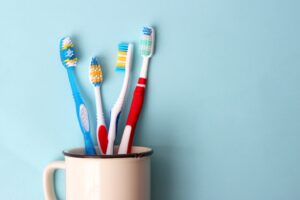
You’ve been using the same type of toothbrush for years, never thinking how switching might improve your oral hygiene routine. Believe it or not, there are countless options at local drugstores, but finding the right one for your smile can feel overwhelming. Manual, electric, interdental, etc., all offer unique benefits, depending on your needs, so keep reading to find out which one you should use to give your smile a better clean.
What Are the Types of Toothbrushes?
Manual and electric are the two main types of toothbrushes you can choose from. Depending on your needs and preferences, you may find that one feels and works better than the other. For example,
Manual Brushes
As of 2020, more than 250 million people are believed to still use a manual toothbrush. Often considered more affordable than electric ones, these allow patients of all ages to clean their teeth effectively.
With various designs to make brushing easy and comfortable, you and your child can be confident that your brushes adequately clean and reduce the risk of cavities and gum disease.
Electric Brushes
Most dentists recommend electric toothbrushes because of their superior cleaning ability. Many come with a two-minute timer, so you can be certain you are brushing for the designated time. Also, they are effective at removing plaque from teeth and around the gumline because their oscillating feature ensures thorough cleaning.
However, electric toothbrushes tend to be more expensive than manual ones, making them a pricey investment.
What Features Should You Consider When Buying a Toothbrush?
Apart from deciding between a manual and an electric toothbrush, you will need to decide which features are most important for your smile. Some of these may include:
- Bristles – Harder bristles can increase the risk of gum recession and enamel erosion over time. Soft ones reduce the possibility of wear and tear, especially if you do not apply significant pressure while brushing. Also, those that have ripples do a good job of removing plaque.
- Toothbrush head – Whether you’re buying for yourself or your child, choosing the right brush head ensures a sufficient clean. A smaller toothbrush may be necessary for children, whereas adults can opt for a larger brush head to ensure more thorough cleaning.
- ADA seal – Do not buy a toothbrush that does not have the ADA Seal of Approval on it. This designation means the brush has undergone rigorous testing to ensure it is safe to use and highly effective at removing plaque and tartar from teeth.
- Handle – Your toothbrush needs a handle that is comfortable to hold. One with an ergonomic design can make cleaning hard-to-reach areas easier.
The type of toothbrush you choose can make a difference in how well you clean your teeth, so if you’re unsure, ask your dentist for guidance. They will offer helpful suggestions that will promote better oral health and hygiene.
About the Author
Dr. Rebecca Long at Westlake Hills Dental Arts prioritizes preventive dentistry among her patients. Apart from dental checkups and cleanings, she also offers effective tips and recommendations to ensure successful at-home oral hygiene. Whether it’s learning how to floss correctly or choosing the right toothbrush to get the job done, she and our team are here to help. Visit our website or call us at (512) 328–0155 to schedule an appointment to discuss effective dental products.