
Learn About Our Commitment to Your Safety

Emergency Dentist — Westlake Hills, TX

When An Emergency Strikes, Don’t Wait!

Woman in need of emergency dentistry holding her jaw

Dental emergencies don’t exactly happen often. When they do, having a dedicated dentist you can visit to get it taken care of can make all the difference. Whether you have tooth pain that simply won’t go away or you aren’t even sure if what you’re dealing with is an emergency, don’t be afraid to call us to get guidance and schedule a visit at Westlake Hills Dental Arts. After all, it’s always better to be safe rather than sorry when it comes to emergency dentistry in Westlake Hills, TX! When an emergency strikes, don’t wait to call us!

Why Choose Westlake Hills Dental Arts for Emergency Dental Care?

What to Do in a Dental Emergency

Man in need of emergency dentistry holding jaw

The Most Common Dental Emergencies

The moment you think you’re experiencing a dental emergency, whether it’s an aching tooth, sensitivity that doesn’t go away, or another concern, call our dental office as soon as you can. Not only can we get you scheduled for an appointment, but our team can provide advice on how to improve and manage your situation before you do arrive. Below, you’ll find important information about the most common dental emergencies we treat.

Understanding the Cost of Emergency Dentistry

dental tools and money representing the cost of dental emergencies in Westlake Hills

If you require immediate dental care, the last thing you should be worried about is how you're going to pay the bill. Many factors affect the cost of emergency dentistry in Austin, but we offer the financial solutions you need to save your tooth without it costing you an arm or a leg. We'll get you into the office quickly and address any pain before creating your personalized treatment plan.

Every Dental Emergency is Different

Woman with dental pain at emergency dentist

There isn't a flat fee for emergency dental services because every situation differs. Your emergency dentist in Austin will examine your mouth and learn more about your situation to create a treatment plan. Although every case is unique, common emergency treatments include:

  • Root Canal Therapy
  • TMJ Treatment
  • Tooth Extraction
  • Gum Disease Therapy
  • Restoration Replacement

Does Dental Insurance Cover Dental Emergencies?
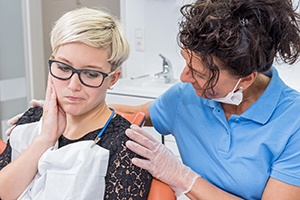
Woman in pain being comforted by dentist

Every dental insurance plan differs; however, most policies offer coverage for emergency consultations for a copay. You can use your annual allowance for medically necessary treatments after meeting your yearly deductibles, like crowns, root canal therapy, and tooth extractions. Your insurance can pay 50% to 80% of the expenses. We will work on your behalf with your dental insurance to maximize your coverage to lower your out-of-pocket responsibility.

Other Options for Making Dental Emergencies Affordable
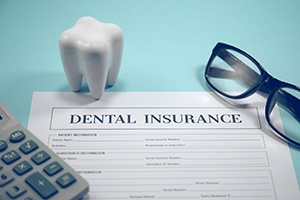
Dental insurance form on desk

Besides using your dental insurance, we offer other options to keep emergency dentistry affordable, including:

  • Traditional Payments: We accept all traditional payment methods, like cash, personal checks, and most credit cards.
  • Financing: Based on your credit approval, you can pay any out-of-pocket expenses using monthly installments through a third-party financing company, like CareCredit.

A member of our dental team will review your estimate and explain the fees, so you know exactly what you'll have to pay. They will help you find the solutions you need to rehabilitate your dental health without spending your life's savings.

Taking Care Of Your Smile Can Save You Money

Dental instruments on stack of $100 bills

Although accidents happen, many dental emergencies are preventable. You can safeguard your smile against dental emergencies by committing to good oral hygiene. Besides brushing and flossing, visit your dentist every 6 months for a cleaning and checkup. They'll monitor your oral health to detect anything concerning while it is small to provide quick treatment.

In addition, break any bad habits that may damage your teeth, like crunching ice or chewing on your fingernails. Ask your dentist for a nightguard if you grind or clench your teeth. Don't forget to wear an athletic mouthguard if you play sports.

Keys to Preventing Dental Emergencies

Woman in dental chair for checkup to prevent dental emergencies

Since dental emergencies can be difficult to predict, they can’t be completely avoided. With that said, you can dramatically reduce your chances of sustaining a serious dental injury if you take the right precautions. For example, it’s important that you:

Maintain Regular Exams and Cleanings

Dentist smiling at patient's dental exam

Brush Twice a Day

Man smiling while brushing his teeth

To remove plaque, food particles, and other debris from your teeth, it’s important that you brush for a full two minutes with a soft-bristled toothbrush and fluoridated toothpaste each morning and evening. Of course, that’s just the first step. To keep your teeth and gums healthy, prevent painful dental damage, and keep your breath minty-fresh, you should also floss and rinse with an antimicrobial mouthwash daily.

Don’t Over-Indulge on Added Sugar

Woman preparing healthy salad at home

Remember, what you eat impacts your oral health. For that reason, we strongly recommend limiting your intake of added sugar. Additionally, you should avoid biting on hard, sticky, and crunchy foods and break the habit of chewing on ice. Instead, focus on incorporating foods into your diet that benefit your teeth and gums, like plain yogurt. Basically, you want to eat well-balanced meals that are low in added sugar to help keep your oral and overall health in great shape.

Wear a Protective Mouthguard When Necessary
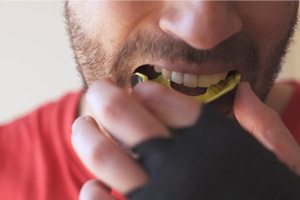
Man wearing yellow and black mouthguard

Do you play a contact sport, like football? Do you participate in a solo sport, like running, rollerblading, or skateboarding? Either way, you should wear a mouthguard – it’s the best way to avoid a chipped, cracked, or completely knocked-out tooth! If you don’t have one, let us know. We can have a custom one made from impressions of your teeth to ensure it fits perfectly.

Kick Bad Habits That Damage Teeth
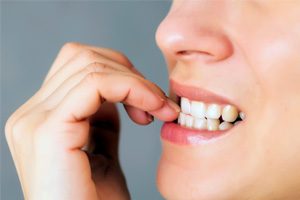
Closeup of patient biting their nails

Finally, it’s important that you kick any bad habits you’ve developed that can damage your teeth. Smoking, biting your fingernails, and using your teeth to open bottles, packages, or other items better suited for a tool are all examples. It might be difficult, but it’s worth your time and effort!

Dental Emergency FAQ’s

Man wondering if he should see his Westlake Hills emergency dentist

Dental emergencies are unexpected, so it can be difficult to know exactly what you should do. If you’re experiencing a dental emergency, Dr. Long and the rest of our team at Westlake Hills Dental Arts are here to help you get some relief. In the meantime, here are the answers to some frequently asked questions about dental emergencies that may help to sooth some of your worries. If you don’t see the answers you’re looking for, don’t hesitate to give us a call and we’ll be happy to help!

Will my toothache go away on its own?

A toothache typically doesn’t go away on its own. It is best to schedule an appointment with a dentist to rule out underlying problems before they become serious. Not all toothaches are emergencies necessarily, but leaving any tooth pain unchecked can potentially lead to serious complications or permanent damage, like needing to have the tooth removed. It’s best to come see us if you have an intense toothache or if your toothache has lasted for more than a day.

What does throbbing tooth pain mean?

A throbbing toothache is likely a sign of an infection or inflammation within the tooth. This occurs when cavities or cracks inside the tooth allow air and bacteria to reach the sensitive inner area, therefore causing irritation and pain. An infection in the tooth can become very serious, even life threatening. Give us a call immediately if you have throbbing tooth pain and we’ll do everything we can to save your tooth and protect your smile.

Should knocked-out teeth be placed in water?

Water can be used to rinse a knocked-out tooth, but it shouldn’t be placed in water. This is because water can damage the root surface cells of the teeth, making it more difficult for a dentist to save. Instead, try to place it back into its socket yourself. If you are unable to do so, keep the knocked-out tooth in between your cheeks and gums. You could also place it in a container of milk, saline solution, or saliva until you make it to your emergency dentist in Westlake Hills.

What is causing my jaw pain?

Jaw pain is typically caused by chronic teeth grinding and clenching. This puts stress on the jaw joints. It can also be caused by facial injuries that never healed properly or arthritis. A misaligned jaw can lead to TMJ disorder (TMD) which affects the joints connecting the jaw to the skull. By coming to see us, we can confirm the source of your jaw pain and work to develop a treatment plan to provide long-term relief.

More to Explore

I Need a Checkup & Teeth Cleaning I am Concerned About Gum Disease I Have a Cavity or Broken Tooth I am Missing One or More Teeth I am Unhappy with My Smile I am Scared of the Dentist View Our Services

Toothaches

Is my toothache a dental emergency? Yes, a toothache can be a dental emergency depending on the underlying cause of the problem. The only instance that usually does not require an emergency visit is if something is stuck between your teeth.

How you should handle a toothache: If there is a piece of food or an object lodged between your teeth, rinse with warm water and use dental floss to remove it. Otherwise, it’s best if you take an over-the-counter pain reliever and wait for your appointment.

How we treat toothaches: To determine how we should address your toothache, we will first take digital images to determine the underlying problem. Because it can be a cavity, facial trauma, gum disease, or an infection, we will likely recommend one of the following: tooth-colored fillings, dental crowns, gum disease treatment, or tooth extraction.

Chipped Tooth

Is a chipped tooth a dental emergency? No, a chipped tooth is not usually deemed a dental emergency. Although it can be alarming, you can usually wait a day or two before seeking help from an emergency dentist at Westlake Hills Dental Arts .

How you should handle a chipped tooth: When dealing with a chipped tooth, it’s best to place dental wax or sugarless gum over the jagged areas. Also, avoid chewing on that side of your mouth, and be careful when cleaning your teeth.

How we treat chipped teeth: To treat a chipped tooth, we’ll either use cosmetic bonding or veneers. If it’s a small chip that is not highly visible, we can use cosmetic bonding to quickly repair the area. Otherwise, we’ll discuss the potential for veneers, especially if the chip is large or located in a more visible area of your smile.

Cracked Tooth

Is a cracked tooth a dental emergency? Yes, a cracked tooth is a dental emergency and should be seen by a professional as soon as possible, so make sure to schedule an appointment.

How you should handle a cracked tooth: The damage associated with your tooth should be top-of-mind when attempting to eat or if you are planning to clean your teeth. You don’t want to cause more harm, so it’s best if you don’t chew on that side of your mouth and use dental wax to cover any jagged areas of your tooth.

How we treat cracked teeth: Treating a cracked tooth requires surveying the severity of the crack first. If only minor and not hindering the function of your tooth, we may be able to fix it with cosmetic bonding. However, if the crack is severe, we’ll likely need to have a customized dental crown created. If the damage is extensive and keeps the tooth from being viable any longer, we’ll need to remove it and discuss options for tooth replacement.

Very Sensitive Teeth

Are very sensitive teeth a dental emergency?Teeth tend to feel sensitive to hot or cold temperatures. That said, it can also be an indication of more serious conditions, such as a cavity or weakened enamel. If you start to experience lingering or sharp sensitivity in your smile, schedule an appointment with us right away.

How you should handle sensitive teeth: style="font-size: 11.0pt; font-family: 'Calibri',sans-serif; color: black;">While you wait to visit our team, be sure to avoid chewing or drinking anything hot, cold, acidic, sugary, or spicy. Brush and floss your teeth and stay hydrated with lukewarm water. If you have to, take over-the-counter pain relievers to alleviate discomfort.

How we treat tooth sensitivity: Our team will look over your oral situation to determine the best way to address the issue. For minor cases, we might simply fix the problem with services like tooth-colored fillings and nightguards for bruxism. For more extensive conditions, we may provide procedures like gum disease treatment.

Knocked-Out Tooth

Is a knocked-out tooth a dental emergency? A knocked-out tooth is a serious emergency and will need to be treated as quickly as possible. For the best chance of saving the tooth, you’ll need to get it addressed within an hour of the incident. Make sure to notify and visit your dentist right away.

How you should handle a knocked-out tooth: Once you’ve located your tooth, pick it up by the crown (top side) and NEVER the roots, as this can risk damaging the tissues. Rinse the tooth carefully but be sure not to use hand soap or scrub any particles off. You can try to place it back in its socket, but if this isn’t possible, store it in a container of saline solution or milk. Do NOT place it in water, as this can damage the root surface cells.

How we treat knocked-out teeth: If you’re able to make it to the office, our team can try to splint the tooth to an adjacent healthy one to help stabilize it as it heals. If this isn’t possible, then we’ll have to discuss your tooth-replacement options, such as a dental bridge, dental implants, or implant dentures.

Lost Filling or Crown

Is a lost filling or crown a dental emergency? Fillings and dental crowns should last a rather long time before needing to be replaced. However, if you lose one, you’ll just want to visit our team so we can resolve the issue. Though you may not feel pain, you won’t want to risk further damage or infection.

How you should handle a lost filling or crown: After finding the filling or crown, rinse any debris and bacteria off with water. You can try placing it back in position and using dental wax or even sugar-free gum to keep it in place. If not, keep it in a small container to bring with you to your appointment. Refrain from chewing on that side of your mouth and keep the area clean by staying hydrated with water.

How we treat lost fillings or crowns: If we find that your filling or crown is in good condition, we might simply recement it back in place. If not, we can also replace it. We’ll also want to address any developing issues we might detect, that way we resolve the problem that caused you to lose your restoration in the first place.

Broken Denture

Is My Broken Denture a Dental Emergency? Since your dentures play a crucial role in the quality of your day-to-day life, a broken one is a dental emergency. Whether your dentures have a significant chip or they are completely broken in half, it warrants a call to our West Lake Hills office.

How You Should Handle a Broken Denture Priority number one is getting an appointment with our team on the calendar. Although it may be tempting, do NOT use household items (like superglue) to attempt to repair your denture at home. Products like these contain toxins that are not safe to ingest, so they can end up doing a lot more harm than good.

How We Treat Broken Dentures If we can, we will readjust your denture or use a composite resin to repair it. Of course, if the damage is significant, then we will need to take the necessary steps to get you a replacement one.

Loose Permanent Tooth

Is a Loose Permanent Tooth a Dental Emergency? Loose permanent teeth are often the result of a physical injury or advanced gum disease. In both cases, you should call us for a same-day appointment with our West Lake Hills emergency dentist. That way, we have the highest likelihood of saving your tooth.

How You Should Handle Loose Permanent Teeth Until you arrive at our office, there are a few measures you can take to prevent further damage or discomfort. First, do not touch your tooth with your tongue or fingers. Second, keep the area clear of bacteria by gently rinsing with warm water. Third, avoid eating hard, sticky, acidic, and sugary foods. If needed, you can also take an over-the-counter pain reliever to help keep you comfortable.

How We Treat Loose Permanent Teeth Our number one goal is to save your tooth, which often includes treatments like a dental splint. If that’s not possible, however, then we can extract it and fill the empty space in your smile with a dental bridge or dental implant.

Injury to the Gums, Lips, or Tongue

Is an Injury to the Gums, Lips, or Tongue a Dental Emergency? If the wound is large and has resulted in uncontrollable bleeding that does not stop after 10 minutes of applying pressure, then go to your nearest ER. If the cut is minor, then you can call our office so we can help you determine whether or not you need to come in for a same-day appointment.

How You Should Handle an Injury to the Gums, Lips, or Tongue The first step should be cleaning the area, which you can do by gently rinsing with warm water. After that, use a clean washcloth (or gauze, if you have it) to apply pressure to the cut. From there, you can help combat the swelling by placing a cold compress over the area.

How We Treat Injuries to the Gums, Lips, or Tongue As previously mentioned, large cuts that have resulted in uncontrollable bleeding require medical attention, which is why you should head to the ER. If the wound is small, however, then we may be able to help you by stitching it closed.

Jaw Pain

Is Jaw Pain a Dental Emergency? In most cases, jaw pain is not a dental emergency. Of course, if the discomfort persists or is in tandem with other abnormal symptoms, like difficulty chewing, then don’t hesitate to schedule an appointment with our team.

How You Should Handle Jaw Pain A few short-term solutions include placing a cold compress against your jaw to ease inflammation and taking an over-the-counter pain-reliever to alleviate discomfort. If you think your jaw may be fractured or dislocated, then head to the ER right away.

How We Treat Jaw Pain First, we will need to pinpoint the cause of your jaw pain. If the source is an impacted wisdom tooth, then we will recommend having it extracted as soon as possible. For some patients, the discomfort is the result of chronic clenching and grinding, which can be addressed with a custom mouthguard.

Something Stuck Between the Teeth

Unfortunately, something small caught between your teeth can result in immense discomfort. One of the first steps you can take is rinsing with some warm salt water, which will help loosen any debris in your mouth. Then, use a piece of floss (never a sharp object like a toothpick) to gently clean between your teeth. If you’re having trouble or the pain persists, then contact our team so we can help!

Request Request Appointment Forms Forms Like Us Like us on Facebook Reviews Read Our Reviews Call Give us a Call Map View our Map